UP ARTS GALLERY BLOGS
Follow artists. Hear their stories. Collect when it feels right.
“Community-Driven Creative Marketplace”
Your "Community Curator"
The value of the arts in a young person's development is immense and multifaceted, impacting emotional, social, and cognitive growth.
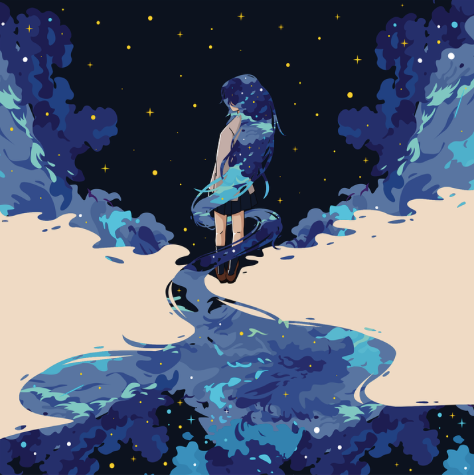
The Value of the Arts in a Young Person's Development
By Up Deeds
The value of the arts in a young person's development is immense and multifaceted, impacting emotional, social, and cognitive growth. Engaging with the arts, including visual arts, music, dance, theater, and written forms, offers children and teenagers numerous benefits.
1. Emotional Expression and Understanding: The arts provide a vital outlet for self-expression. Whether through writing stories, composing lyrics, or creating visual art, kids can explore and convey their emotions in a safe environment, fostering emotional intelligence. Engaging with different forms of art allows students to communicate feelings that are difficult to articulate, enhancing their self-awareness.
2. Creativity and Problem-Solving Skills: The arts stimulate creativity, encouraging kids to think outside the box. Writing narratives or crafting poems encourages them to invent and manipulate ideas and characters, fostering innovation. This creative thinking translates into better problem-solving skills in various aspects of life, from academics to personal challenges.
3. Cultural Awareness and Empathy: Exploring the arts exposes children to diverse cultures and historical contexts, promoting understanding and appreciation for different perspectives. Written arts like literature and poetry can provide insights into experiences and viewpoints different from their own, cultivating empathy and helping young people relate to others while fostering a sense of community.
4. Critical Thinking and Analytical Skills: Engaging with the arts encourages critical thinking. Analyzing poems, dissecting stories, or interpreting performances helps students develop the ability to assess complex situations and make informed judgments—a skill applicable in many areas beyond the arts.
5. Collaboration and Teamwork: Many art forms, such as theater or collaborative writing projects, require teamwork. Through these experiences, young people learn to work as part of a team, understand group dynamics, and appreciate the contributions of others. These interpersonal skills are invaluable in both personal and professional settings.
6. Discipline and Perseverance: Mastering an art form, whether it’s writing, playing an instrument, or creating visual art, requires practice and dedication. Learning to refine writing skills, compose music, or perfect a dance teaches students the importance of discipline and the value of hard work. They also learn resilience through the inevitable challenges encountered in their creative journeys.
7. Boosting Academic Performance: Numerous studies have shown a correlation between arts education and improved academic outcomes. The skills developed through the arts—including focus, memory, and spatial-temporal skills—can enhance performance in subjects like math and reading and improve writing abilities through exposure to narrative structure and poetic techniques.
8. Building Confidence and Self-Esteem: Participation in the arts allows young people to showcase their talents, leading to increased confidence and self-esteem. Sharing stories, performing poems, or exhibiting artwork helps them overcome fears and celebrate their achievements, providing a sense of accomplishment.
Teaching and exploring the arts—including written forms offers essential benefits for young people as they grow. It enriches their educational experience and forms a foundation for personal growth, social engagement, and lifelong learning.