UP ARTS GALLERY BLOGS
Follow artists. Hear their stories. Collect when it feels right.
“Community-Driven Creative Marketplace”
Your "Community Curator"
Full-time visual artists often don’t burn out because they lack discipline—they burn out because there is no off switch.
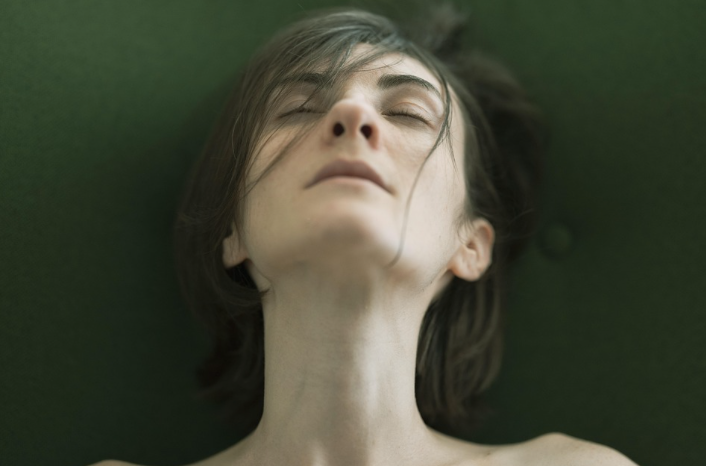
1) Burnout for full-time visual artists
Full-time visual artists often don’t burn out because they lack discipline—they burn out because there is no off switch. When your art is your income, your schedule, your reputation, and your identity, rest can start to feel irresponsible instead of necessary.
Why burnout hits full-time visual artists harder
* Income pressure never fully shuts off. Even during good months, many artists stay in “what if it slows down?” mode.
* Every decision carries financial weight. Pricing, shows, commissions, materials—it all feels high stakes.
* Success often increases workload, not relief. More visibility usually means more emails, more expectations, more admin.
Studies across creative professions consistently show burnout rates between 60–70%, with freelancers and self-employed creatives reporting higher burnout due to constant self-management and financial uncertainty.
Early warning signs (common for full-time artists)
* You’re productive, but joy is gone
* You avoid the studio even though deadlines loom
* You resent shows, collectors, or commissions you used to enjoy
* Rest makes you anxious instead of refreshed
How full-time visual artists reduce burnout risk
1. Separate “income work” from “identity work.”
Not every piece has to carry your entire artistic legacy. Some work can simply pay bills—and that’s okay.
2. Cap your maximum output.
Burnout often comes from treating your best month as the new baseline. Decide:
* max shows per year
* max commissions at one time
* max weekly studio hours
Then stop there.
3. Schedule recovery like a contract requirement.
After big shows, installations, or launches, block recovery days before you need them. Physical exhaustion accelerates emotional burnout.
When burnout starts
Shift immediately into maintenance mode:
* no new projects
* finish only what’s promised
* simplify marketing to one channel
* shorten studio sessions
This prevents a full crash.
Bottom line:
Burnout for full-time visual artists isn’t a failure—it’s a systems problem. Sustainability comes from limits, not endurance.
2) Burnout for visual artists with day jobs
If you’re balancing a job and a serious art practice, burnout often looks different—but hits just as hard.
You’re not lazy. You’re doing two demanding things at once.
Why burnout happens for artists with day jobs
* Chronic time compression. Art gets squeezed into evenings, weekends, and leftover energy.
* Constant context switching. You move between employee mode and creative mode with no transition.
* Guilt on both sides. At work, you’d rather be making art. In the studio, you feel behind.
Many artists with day jobs report burnout not from overworking—but from never feeling fully present anywhere.
Common burnout signs in this group
* Long gaps without making art
* Starting projects but rarely finishing
* Feeling disconnected from your artistic voice
* Believing “I’ll get serious later” (and feeling bad about it)
Burnout prevention that actually works
1. Shrink the studio commitment—on purpose.
Stop planning like you have full-time energy.
A sustainable week might be:
* 2–4 hours making art
* 30 minutes admin
* zero pressure to produce “portfolio-level” work
Consistency matters more than volume.
2. Redefine progress.
Progress can be:
* one sketch
* one glaze test
* one reference photo
* one paragraph of notes
Burnout thrives when progress only “counts” if it’s finished and shareable.
3. Protect one sacred creative block.
One non-negotiable time slot per week—short, repeatable, low pressure—does more than sporadic marathons.
When burnout starts
Don’t quit art. Change the definition of success temporarily.
Maintenance is still participation.
Bottom line:
Artists with day jobs don’t need more motivation—they need kinder, smaller systems that fit real life.
3) Burnout for commission-heavy visual artists
Commissions can be validating and profitable—but they’re one of the fastest paths to burnout if left unchecked.
Why commissions are uniquely draining
* You’re creating under observation. Feedback, revisions, and expectations are constant.
* Emotional labor is baked in. You’re translating someone else’s vision through your hands.
* Boundaries erode easily. “Just one more tweak” adds up fast.
Many commission-focused artists report burnout symptoms even during financially “good” periods.
Warning signs specific to commission burnout
* You delay starting commissioned pieces
* You dread client communication
* Your personal work disappears
* You fantasize about canceling everything
How commission artists prevent burnout
1. Limit how many commissions you take at once.
Even one fewer at a time can drastically reduce mental load.
2. Build boundaries into the process, not the conversation.
Healthy structures:
* written scope
* fixed revision limits
* clear timelines
* no rush add-ons
Boundaries protect both you and the client.
3. Maintain a parallel personal practice.
Even small, private work prevents creative identity collapse.
When burnout begins
Pause new commissions immediately—even briefly. Finishing work while burned out often leads to resentment that lingers long after delivery.
Bottom line:
Commissions should support your career—not consume your creative life.