UP ARTS GALLERY BLOGS
Follow artists. Hear their stories. Collect when it feels right.
“Community-Driven Creative Marketplace”
Your "Community Curator"
Many artists talk about creativity. Far fewer talk about imagination.
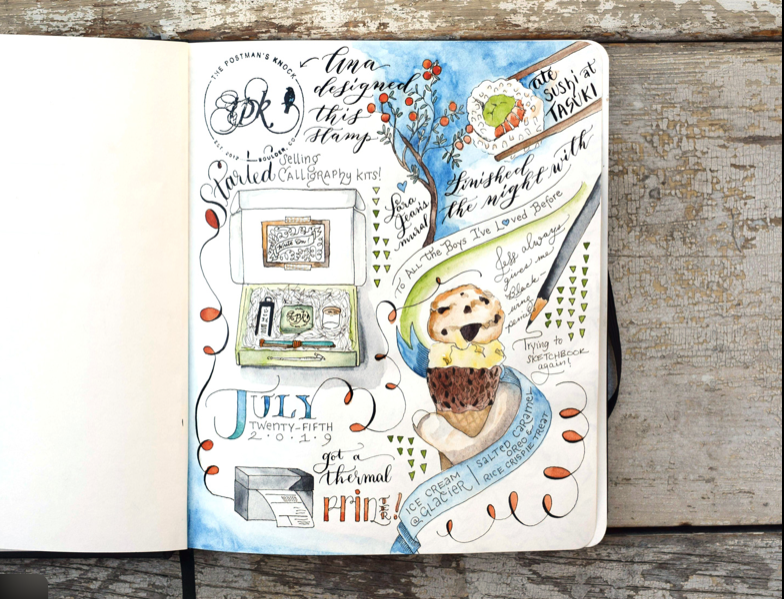
Many artists talk about creativity.
Far fewer talk about imagination.
But creativity does not come first.
Imagination does.
Imagination is the ability to see what is not yet visible.
Creativity is the ability to make it real.
Every painting, sculpture, photograph, illustration, design, or concept begins long before the first physical action.
It begins as:
• A mental image
• A feeling
• A curiosity
• A question
• A subtle “what if?”
Before creation, there is imagination.
The Problem Most Artists Misdiagnose
Artists often say:
“I’ve lost my creativity.”
But creativity is rarely the first thing to disappear.
Imagination fades first.
Because imagination requires something many artists unknowingly sacrifice:
👉 Mental space
When your mind is crowded with:
“I should be producing more.”
“This needs to sell.”
“I’m behind.”
“Everyone else is doing better.”
Imagination has nowhere to breathe.
Creativity feels blocked not because ideas are gone —
but because the environment for ideas has collapsed.
Imagination Is Not a Talent — It’s a State
This is one of the most freeing truths for artists:
You do not “have” or “lack” imagination.
You move into and out of imaginative states.
Which means…
👉 It can be rebuilt.
Why Imagination Weakens
Extremely common causes:
• Overproduction cycles
• Burnout
• Decision fatigue
• Comparison exposure
• Stress & uncertainty
• Perfection pressure
• Constant evaluation mindset
Professional artists experience this just as often as beginners.
Sometimes more.
How to Rebuild Imagination
🌱 1. Lower the Stakes
Imagination collapses under pressure.
Try:
• Touch materials without making anything
• Sketch without purpose
• Experiment without intent
• Play with color / texture / composition
Goal: curiosity without performance
👀 2. Feed the Mind (Strategically)
Imagination requires input.
But not just more art.
Better fuel sources:
• Different mediums
• Architecture
• Nature
• Film lighting
• Music
• Textures
• Design
• Unrelated disciplines
Imagination thrives on unexpected connections.
🧠 3. Separate Thinking from Making
Trying to imagine while producing is cognitively heavy.
Instead:
Imagination Session → No output required
Creation Session → No ideation pressure
Even 10 minutes works.
✨ 4. Ask Better Questions
Imagination responds to invitation.
Try:
“What would surprise me?”
“What if scale changed?”
“What if mood replaced realism?”
“What if emotion led composition?”
Questions unlock imagination faster than force.
Turning Imagination Into Creativity
Imagination generates possibilities.
Creativity selects and builds.
Artists often stall by trying to execute everything imagined.
Instead:
👉 Capture ideas freely
👉 Choose calmly
👉 Develop gradually
Creativity is not imagination speed.
Creativity is refinement.
A Healthy Artist Cycle
Imagination → Exploration → Creation → Rest → Input → Expansion
Blocked artists often live here:
Creation → Creation → Creation → Exhaustion
No replenishment.
No space.
No renewal.
Key Reframe
You are not running out of creativity.
You are running low on mental space for imagination.
And imagination is renewable
The Artists Relief Framework
Free tools for productivity, reducing burnout, and increasing imagination and creativity.